Content Warning: This article contains descriptive language of self harm and suicide.
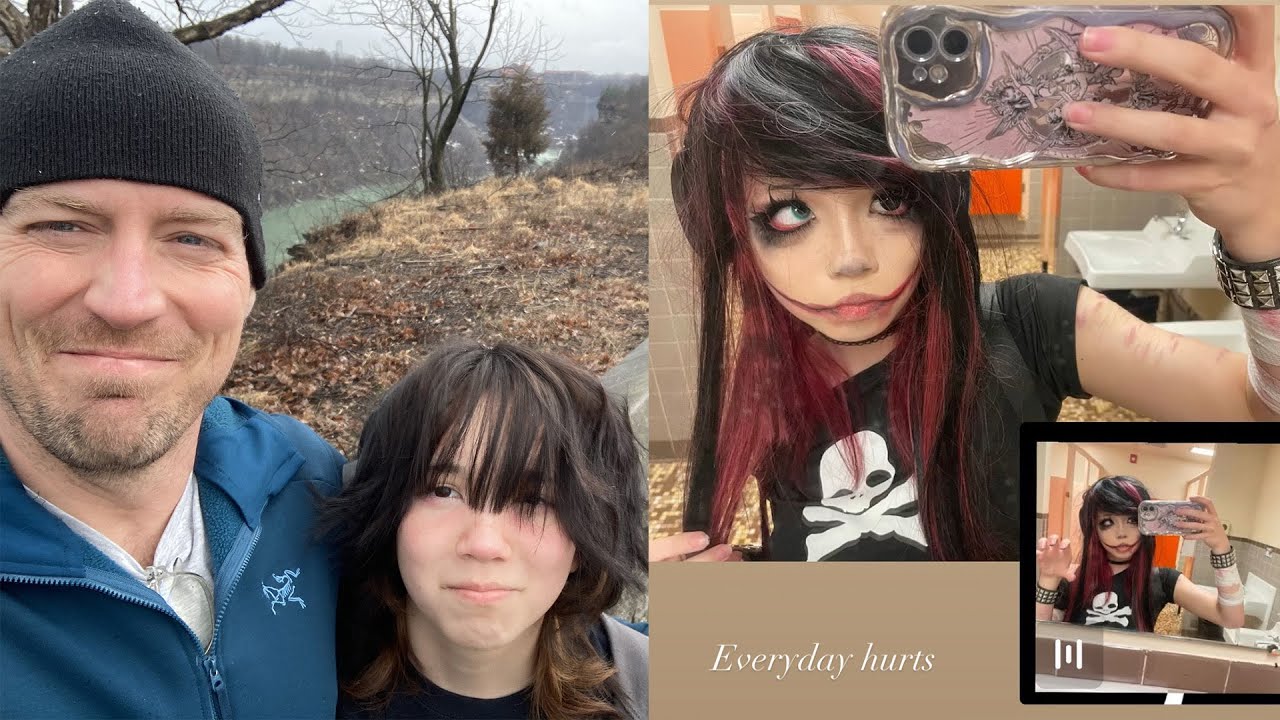
The story of Penelope Sokolowski is heartbreaking. Jason Sokolowski, her father, has bravely spoken about the experience in several interviews, even when he feels it puts him in a negative light. Penelope committed suicide at age 16 on February 6th, 2025, following her involvement with 764. It wasn't one event that caused this, but a series of activity that progressed until her death.
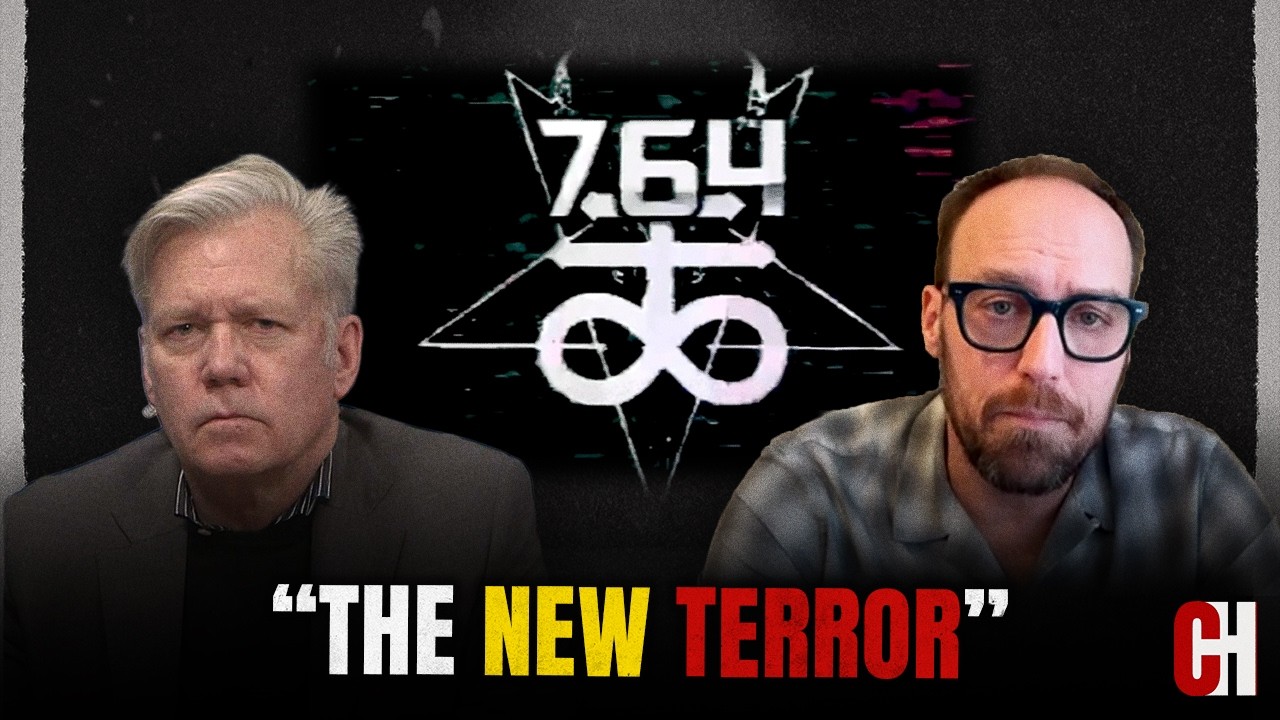
For readers unaware of 764, they are a decentralized terror network that has emerged in recent years.
"Members of these networks connect with children and other at-risk individuals online through mobile messaging apps, social media and gaming platforms, then manipulate or coerce them into producing and sharing graphic content, child sexual abuse material (CSAM), or engaging in acts of animal cruelty, self-harm, or violence." (FBI Boston)
Penelope was very bright and strong willed. Jason describes her as a creative soul, with interests in poetry and costume design.
"Her summers were up on a beautiful cabin, no road access, with a lot of cousins and family. She had a pretty fantastic life. She loved catching snakes and spiders, she wasn't scared of anything. She loved fishing and all that stuff. She was an extremely creative and brilliant mind." (Video B, 3:59)
She would also play video games like Minecraft and Roblox. Jason created his own anonymous Roblox account so he could keep track of her account's activity. One interesting dynamic in this case is that she was extremely gifted for her age, so her parents may have trusted her with more freedom on her devices. She got her first phone at 11. Eventually, she was found to have more than one Instagram account, which was a concern for her parents.
"I said I want to see this account, so I made her open it up. It was a little bit more of a teenage account, saying things that they didn't want parents to see. And I kind of smiled at that, like okay, this was what I was expecting." (Video B, 29:49)
The first indicators came when her parents noticed she was wearing long sleeves, attempting to hide the cuts she made to her arms.
"Almost every few days to a week, things were getting drastically worse. We couldn't keep up with what was happening." (Video A, 10:00)
Penelope's involvement with the online group did not stop here. At one point, Penelope wanted to meet up with an "online friend" during a road trip with her father. Jason was initially supportive, but wanted to be present for the meeting. Penelope asked if she could just be dropped off at the mall to be picked up later. Jason said no. These were great instincts that other parents should replicate.
Later on, Penelope attempted suicide in the bathroom by overdosing on antidepressants, while live streaming the event with a perpetrator's username "Culprit" written on a piece of paper taped to the wall. Jason asked her about this in the psychiatric ward.
"I asked her about that sign on the wall that said Culprit and her answer to me was 'if you're going to do this, you're going to do it big.' She kept saying over and over that she 'can't wait to get out of here to try to do it again, Dad'." (Video A, 26:40)
The relationship between a victim and the predator can be confusing. Chat messages reveal that Penelope would apologize to Culprit that she wasn't bleeding enough in photos she's taken. It is not uncommon in these cases for the victim to be driven by the need for attention from the predator, or even a broader community. It is a (somewhat) voluntary relationship.
In a turn of events, a protection order was placed against Jason by Child and Family Services in British Columbia because of false allegations perpetuated by Penelope.
"I came to understand later that after meeting other parents that had gone through this, that if a parent is trying to separate a child from social media they get coached into going into a shelter in some of the states where they can say that one or both of their parents are mentally and physically abusing them — which is word for word what my daughter wrote in that affidavit. At the time it broke my heart and my sky fell." (Video A, 31:28)
I find this disturbing, that a well-meaning parent could be separated from their child in a time of crisis because of the state's inaccurate analysis and involvement. They may have meant well, but the damage was done.
Jason himself was targeted in phone calls where the perpetrators taunted him and took joy in his family's suffering. They would also call him pretending to be a friend when they lost contact with Penelope, in a plot to gain information on their victim's status. Jason's personal information has been released on Doxbin, an illegal site on the dark web that hosts leaked personal information. It is very important for parents to know that the whole family can be targeted along with the primary victim.
Jason calls for accountability from social media companies, believing they can do more to protect victims. I tend to agree, especially when analyzing the patterns developing across platforms. In particular, he blames Roblox and is dissatisfied with their recent responses to the wave of victims. He believes they are more focused on their own legal liabilities, and not actually on protecting future victims. He also raises an important point about his daughter's death, was it really just a suicide? Or did evil in society at large kill his daughter...
I encourage readers to watch his interviews with Chris Hansen and Family IT Guy to learn more, even if it's difficult to hear.